
Hanoman Mask Meaning in Balinese Culture: Symbolism, History, and Artistic Value

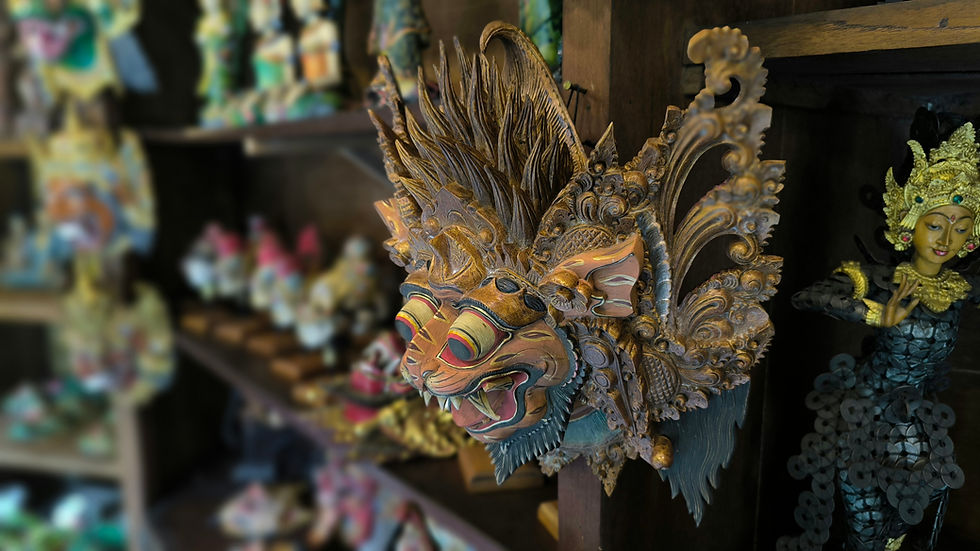
The Hanoman sculpture is one of the most recognizable figures in Balinese art and traditional performances. Known for his white face, expressive features, and heroic personality, Hanoman symbolizes courage, loyalty, intelligence, and devotion.
In Bali, Hanoman is commonly featured in traditional dance performances, cultural storytelling, and handcrafted artworks. Today, wooden Hanoman sculptures are also admired by collectors and home decor enthusiasts who appreciate meaningful cultural art.
Who Is Hanoman?
Hanoman is a heroic figure from the Ramayana, one of the most important epics in Hindu tradition.
He is widely known for helping Rama rescue Sita from Ravana. In many stories, Hanoman is portrayed as brave, intelligent, and deeply loyal.
In Balinese culture, Hanoman frequently appears in traditional performances such as the Kecak Dance and other theatrical interpretations of the Ramayana.
What Does a Hanoman Sculpture Symbolize?

A Hanoman Sculpture often represents several positive values:
Courage
Hanoman is known for facing danger fearlessly and protecting those he serves.
Loyalty
His unwavering devotion to Rama makes him a symbol of faithfulness.
Intelligence
Hanoman often succeeds through clever thinking rather than pure strength.
Protection
Many people view Hanoman as a guardian figure who helps ward off negative energy.
Because of these meanings, Hanoman masks are often chosen by collectors seeking art with deeper symbolism.
Hanoman in Balinese Art

Balinese artisans have created representations of Hanoman for generations through:
Traditional masks
Wooden carvings
Temple artwork
Dance costumes
Decorative sculptures
Each handcrafted mask reflects the artistic traditions that have been preserved in Bali for centuries.
How Hanoman Sculpture Are Made
Traditional Hanoman sculptures are often handcrafted using wood by skilled Balinese artisans.
The process usually includes:
Selecting quality wood
Hand carving details
Sanding the surface
Hand painting intricate designs
Applying finishing touches
Since every piece is handmade, no two sculptures are exactly alike.
Why Collectors Love Hanoman Sculptures
Collectors often appreciate Hanoman sculptures because they combine:
Cultural significance
Handmade craftsmanship
Unique visual character
Spiritual symbolism
They are often displayed as:
Wall decor
Table decoration
Cultural collections
Meditation room accents
Unique gifts
Frequently Asked Questions
Is Hanoman a god?
Hanoman is often considered a divine figure in Hindu tradition and a heroic figure in the Ramayana.
Why is Hanoman usually white?
In many traditional depictions, Hanoman is represented with a white face symbolizing purity and heroism.
Are Hanoman masks used in ceremonies?
Some masks are created for performances and ceremonies, while others are made specifically for collectors and home decor.
Bringing Balinese Heritage Into Your Home

A handcrafted Hanoman sculpture is more than decorative art—it carries stories of bravery, devotion, and centuries of Balinese artistic tradition.
For collectors who appreciate meaningful handmade art, Hanoman masks offer both cultural beauty and timeless symbolism.


Comments